
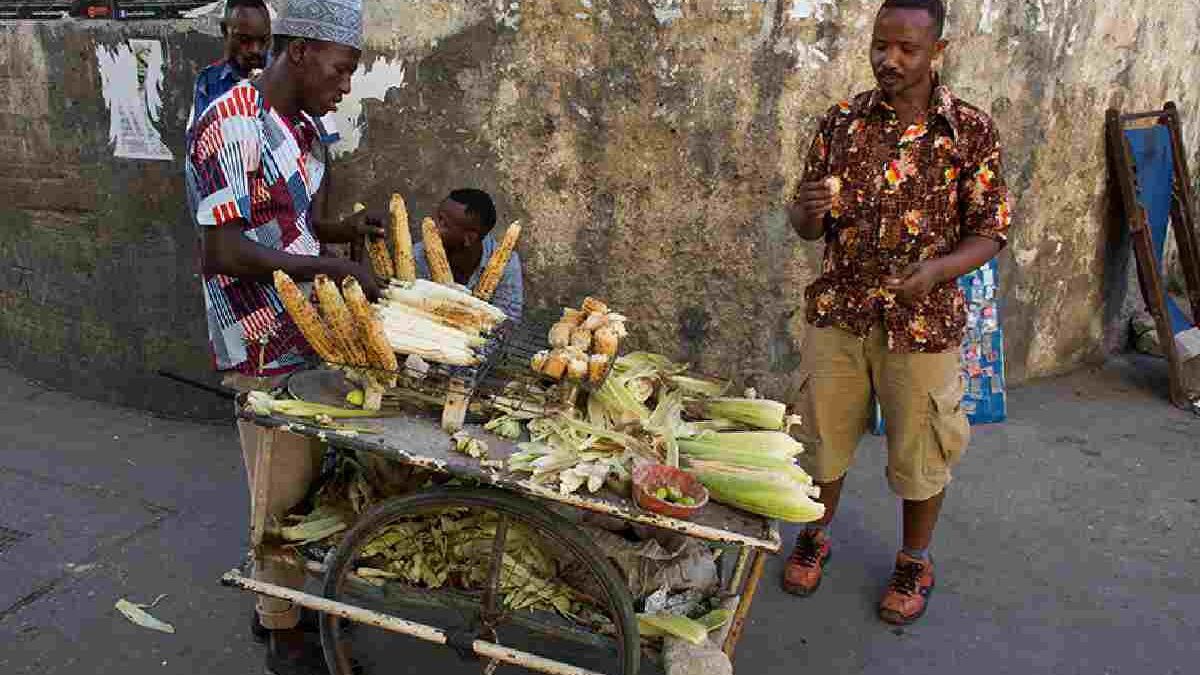
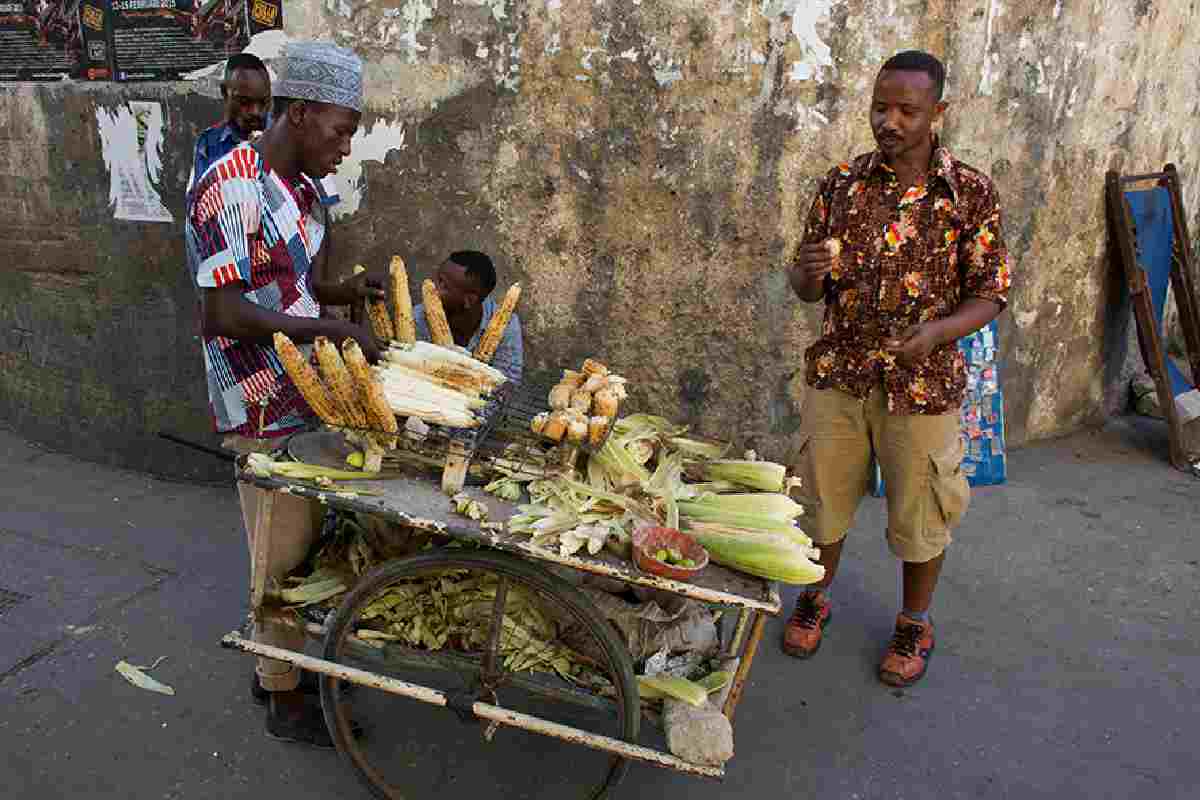
The informal economy includes jobs and businesses that are not regulated or protected by the government. Examples: street vendors, home-based tailors, day laborers, small repair shops, and many gig workers.
- At first, people thought it was only self-employed people running tiny, unregistered businesses.
- Now we know it also includes wage workers who have no contract, no benefits, and no safety rules.
Table of Contents
Stop Calling It the “Shadow Economy”
People often label it illegal, underground, black market, or shadow economy. That’s unfair!
- Most informal workers are honest and work hard in plain sight (markets, streets, homes).
- They help their families and communities every day.
- It’s not “shady”—it’s just unprotected.
A Quick History
- “Discovered” in the 1970s.
- Since then, experts argue:
- Is it good or bad for development?
- Should governments help or shut it down?
- Today we have better data and see how important it really is.
Why Is It Growing?
The informal economy is spreading everywhere—in cities, villages, rich countries, poor countries. New forms: ride-hailing drivers, online sellers, delivery riders.
Good Side
- Creates jobs fast when formal jobs are missing.
- Helps reduce poverty if workers get support (training, loans, fair rules).
- Adds billions to the world economy.
Bad Side (It’s NOT a Safety Net!)
- No help during crises (like COVID or recessions).
- Workers lose income instantly—no savings, no unemployment pay.
Who Works in the Informal Economy?
All kinds of jobs—farming, factories, services. Common groups:
- Street food sellers
- Construction helpers
- Waste recyclers
- Domestic helpers
- Market traders
The Dangers – Why It’s Risky
Informal jobs are often the most dangerous.
| Problem | Example |
|---|---|
| No safety rules | No helmets, gloves, or training |
| Tiny workplaces | Family members (even kids) work together |
| No health insurance | One accident = debt or death |
| Home = workplace | Cooking gas + sewing machines = fire risk |
| Poor living conditions | Dirty water, no toilet → sickness |
Extra Hard for Women & Children
- Women earn less and do the toughest, lowest-paid jobs.
- Child labor and forced labor hide easily here—hard to stop.
Key Takeaways (Grade 9 Summary)
- Informal ≠ Illegal – Most workers are honest but unprotected.
- Super common – 2 out of 3 workers globally!
- Growing fast – New jobs appear, but without rights.
- Helps fight poverty – IF governments give support.
- Very risky – No safety net, no benefits, dangerous work.
- Women & kids suffer most – Unequal pay, child labor.