

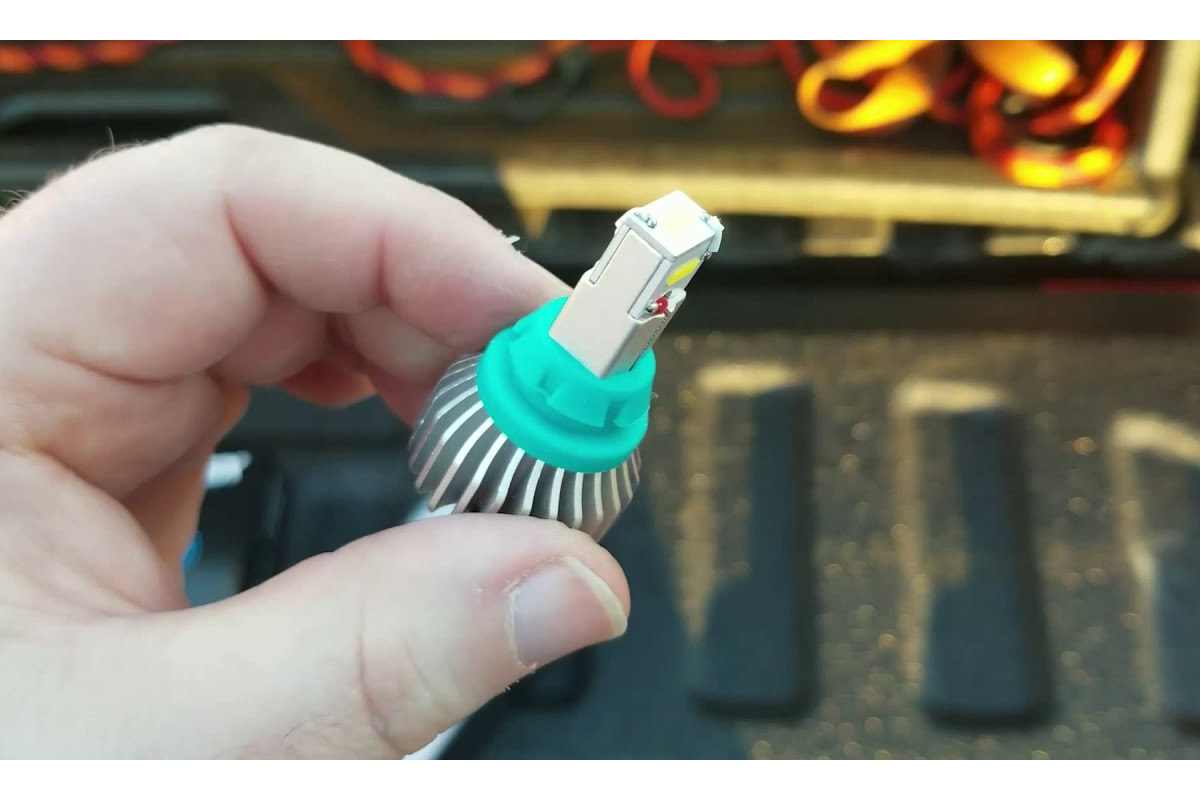
“Diesel LEDs” usually refers to LED lighting products designed for diesel vehicles or heavy‑duty applications — i.e., robust, high‑performance LED lights used on trucks, off‑road vehicles, work sites, and similar environments. LED (light‑emitting diode) technology itself is a form of solid‑state lighting that produces bright light efficiently with less energy and longer life than traditional bulbs.
This article belongs to Tech Guides
Table of Contents
What Are Diesel LEDs?
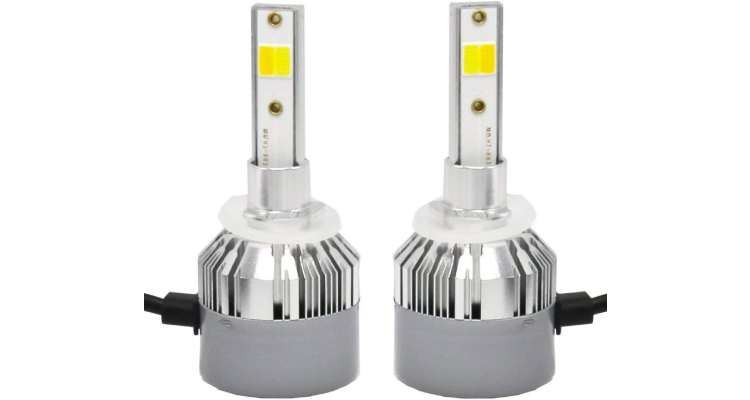
Diesel LEDs refer to LED lighting systems designed specifically for diesel-powered vehicles and heavy-duty machinery. These include:
- Trucks
- Tractors
- Excavators
- Construction vehicles
- Mining equipment
- Agricultural machinery
- Off-road SUVs and 4x4s
- Commercial fleets
Unlike standard automotive lights, these LEDs are built for extreme conditions — vibration, mud, dust, water, and long operating hours.
| Aspect | Explanation |
| Definition | LED lighting products (headlights, reverse lights, utility lights, rock lights, etc.) tailored for diesel vehicles and rugged applications. (Common term used by aftermarket brands.) |
| Technology Base | LED (Light‑Emitting Diode): Solid‑state lighting that emits light when an electrical current passes through a semiconductor. It’s more energy‑efficient and durable than halogen or incandescent bulbs. |
| Why “Diesel”? | Many diesel trucks and heavy vehicles use aftermarket LED replacements because they offer higher durability, better illumination, and longer lifespans compared to stock lights — ideal for tough work environments. (Common industry usage.) |
| Common Products | Headlights, fog lights, reverse lights, brake & blinker lights, rock lights, utility work lights designed for trucks and heavy vehicles. |
| Typical Features | High brightness, rugged housings, heat‑dissipating designs, long lifespan, good performance in adverse conditions (off‑road, construction). |
| Benefits | Brighter light output, longer lifetime, lower power draw, better visibility in poor conditions, durable for heavy‑duty use. |
| Where Used | Diesel trucks, 4×4 off‑road vehicles, utility trailers, construction equipment, farm machinery, emergency vehicles — anywhere a robust lighting upgrade is useful. |
| Typical Users | Diesel truck owners, off‑road enthusiasts, fleet operators, construction crews, heavy equipment operators. |
How LED-Based Lighting Works
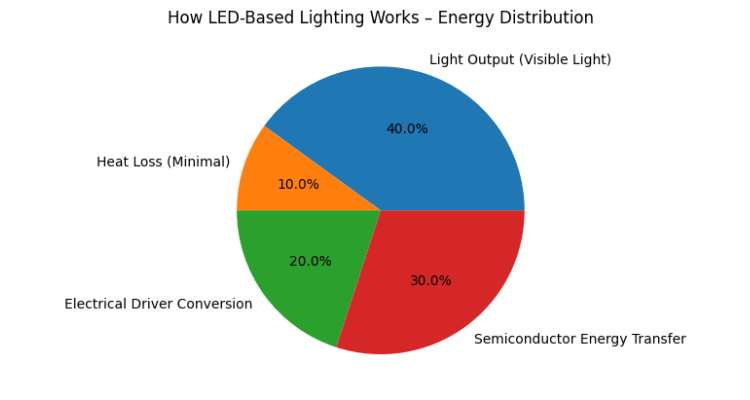
LED stands for Light Emitting Diode. Instead of using a filament like halogen bulbs, LEDs generate light when an electrical current passes through a semiconductor.
Here’s a quick comparison to understand the difference:
Comparison: LED vs Halogen vs HID
| Feature | LED | Halogen | HID (Xenon) |
| Energy Efficiency | Very High | Low | Moderate |
| Lifespan | 30,000–50,000 hrs | 500–1,000 hrs | 2,000–5,000 hrs |
| Heat Output | Low | Very High | Moderate |
| Brightness | Very High | Moderate | High |
| Warm-Up Time | Instant | Instant | Few seconds |
| Durability | Excellent | Fragile filament | Moderate |
For diesel equipment that runs long shifts, LEDs clearly win.
Why Diesel Vehicles Need Specialized LED Lighting
Diesel engines power heavy-duty machines used in demanding environments. Lighting systems in these vehicles must handle:
- Constant vibration
- Extreme weather (heat, rain, snow)
- Long operating hours
- Dust and mud exposure
- Voltage fluctuations
Standard automotive bulbs often fail quickly under such conditions. Diesel LEDs are engineered with:
- Shock-resistant housing
- Waterproof ratings (IP67/IP68)
- Aluminum heat sinks
- Voltage protection circuitry
This makes them ideal for professional use.
Major Applications of Diesel LED Lighting
Let’s break down where Diesel LEDs are most commonly used.
| Application | Description / Use Case |
| Headlights | High-brightness LED bulbs for diesel trucks and pickups, providing better night visibility and long-range illumination. |
| Fog Lights | LED fog lamps for improved visibility in fog, rain, or dusty conditions. |
| Reverse / Backup Lights | Bright LED lights to safely illuminate the area behind the vehicle during reversing. |
| Brake / Tail Lights | Long-lasting, high-intensity LEDs for signaling stops and improving rear visibility. |
| Turn Signal / Indicator Lights | Energy-efficient LED indicators for better visibility to other drivers. |
| Work / Utility Lights | LED work lights for construction, farm, or off-road vehicles to illuminate work areas. |
| Cargo / Trailer Lights | LED strip or panel lights to illuminate truck beds, cargo trailers, and utility trailers. |
| Interior Lighting | LED cabin lights for trucks, vans, and heavy machinery for better visibility inside the vehicle. |
| Off-Road / Auxiliary Lights | Spotlights, floodlights, or light bars for off-road vehicles, enhancing night-time off-road driving safety. |
| Emergency / Fleet Vehicles | LED strobes or warning lights for fire trucks, ambulances, and service vehicles for safety and visibility. |
Off-Road Trucks & 4×4 Vehicles
If you’ve ever driven on unlit terrain, you know how important visibility is. LED light bars and auxiliary lamps provide:
- Wider beam patterns
- Longer throw distance
- Better side illumination
- Clear white light for night driving
Off-roaders love LED systems because they’re powerful yet energy-efficient.
Agricultural Machinery
Farmers often work before sunrise and after sunset. LED floodlights on tractors and harvesters ensure:
- Reduced eye strain
- Wide coverage
- Better crop visibility
- Lower battery drain
Since agricultural equipment runs for long hours, energy-efficient lighting reduces strain on electrical systems.
Construction & Mining Equipment
Construction sites don’t stop when the sun goes down. LED-based lighting helps operators:
- Improve safety
- Reduce accidents
- Increase productivity
- Maintain visibility in dust-heavy environments
These LEDs are often IP67 or IP68 rated for water and dust resistance.
Key Benefits of Diesel LED-Based Lighting
Here’s where things get interesting.
- Energy Efficiency
Diesel vehicles rely on alternators to power accessories. LEDs consume significantly less power than halogens, meaning:
- Less strain on electrical systems
- Better fuel efficiency
- Reduced alternator load
- Longer Lifespan
LED lights can last up to 50,000 hours. For fleet operators, this means:
- Fewer replacements
- Lower maintenance costs
- Less downtime
- Brighter & Clearer Light
LEDs produce a crisp white light (typically 5000K–6500K). This closely mimics daylight and improves:
- Contrast detection
- Road clarity
- Obstacle visibility
- Durability & Shock Resistance
No filament = no fragile parts.
Diesel equipment vibrates constantly. LED systems are solid-state devices, making them extremely resistant to shock.
- Weather Resistance
Most Diesel LEDs are rated:
| IP Rating | Meaning |
| IP65 | Dust tight, water spray resistant |
| IP67 | Dust tight, temporary immersion |
| IP68 | Dust tight, continuous immersion |
This is critical for off-road and industrial use.
Why People Choose Diesel LEDs
| Reason / Feature | Explanation |
| Brighter Illumination | Diesel LEDs produce intense, focused light, improving night visibility and overall road safety compared with halogen or standard bulbs. |
| Energy Efficiency | LEDs consume less power while delivering higher light output, reducing strain on the vehicle’s electrical system. |
| Long Lifespan | Diesel LEDs last 30,000–50,000+ hours, far exceeding traditional halogen bulbs, reducing frequent replacements. |
| Durability & Robustness | Built to withstand vibration, shocks, weather, and heat — ideal for trucks, off-road, and heavy-duty applications. |
| Versatility | Suitable for headlights, fog lights, reverse lights, brake/tail lights, cargo/utility lights, and off-road auxiliary lighting. |
| Safety Enhancement | Brighter and whiter light improves visibility for the driver and makes the vehicle more visible to others, reducing accidents. |
| Low Maintenance | Minimal replacements or servicing needed due to long-lasting, rugged design. |
| Modern Aesthetic | LED lights often give vehicles a cleaner, modern look, appealing to enthusiasts and commercial users. |
| Plug-and-Play Options | Many Diesel LED products are designed to fit existing sockets, making upgrades easy without wiring modifications. |
| Off-Road / Work Ready | Perfect for vehicles operating in rough conditions, construction sites, farms, or emergency fleets. |
Types of Diesel LED Lights
There isn’t just one kind of LED. Let’s look at the main types.
Light Bars
- Mounted on roof or bumper
- Long-range beam
- Ideal for off-road
Work Lights
- Flood pattern
- Wide illumination
- Used on tractors & heavy machinery
Headlights
- Direct replacement for factory bulbs
- Improved road visibility
Fog Lights
- Low-mounted
- Better performance in rain/fog
Auxiliary Lights
- Spot + flood combo
- Used for extra brightness
Prices of Diesel LEDs
| Country / Region | Typical LED Diesel Lighting Products | Price Range (Local Currency) |
| India | LED Baaz High Brightness LED Lights for Trucks – basic auxiliary light Lumax Universal 8 LED Lamp 24V – heavy‑duty 24V lamp Apsmotiv 45 LED Spot Work Light – work/spot lamp ELTRON TURBO Fog LED Light – off‑road fog light | ₹350 – ₹1,472 (entry‑to‑mid range) |
| India (higher‑end options) | Audio Wheels 3″ LED Projector Fog Lamp – projector fog lamp Viugreum LED Work Light Bar – work spot lightbar Willpower 10pc LED Work Light Kit – heavy set | ₹2,304 – ₹10,132 |
| India (premium/work sets) | Other available lights (multiple pods/work spots) | ₹12,000 – ₹20,000+ depending on kit size |
| Import / Global Market (online) | Trucks and auxiliary LED kits in US/EU markets (~equivalent pricing) | Often $30 – $300 USD+ depending on type and power (€99–€499 at European suppliers) (prolux-shop.com) |
| Europe (example) | LED truck headlights / bars from ProLux and similar suppliers (converted from euro) | €99 – €499+ (≈ ₹9,000 – ₹46,000+)* (prolux-shop.com) |
Beam Patterns Explained
Choosing the right beam pattern matters.
| Beam Type | Best For | Light Spread |
| Spot Beam | Long-distance visibility | Narrow, focused |
| Flood Beam | Work areas | Wide, short-range |
| Combo Beam | General use | Balanced |
For example:
- Mining trucks → Flood beams
- Highway trucks → Spot beams
- Off-roaders → Combo beams
Installation Considerations
Installing Diesel LEDs isn’t complicated, but you should keep these in mind:
- Check voltage compatibility (12V or 24V)
- Ensure proper mounting brackets
- Use relay wiring harness for high-power lights
- Confirm local road regulations
- Seal all connections to prevent moisture entry
For heavy machinery, professional installation is often recommended. You can also review iPhone 13 Pro Max Case for another technology-related topic.
Cost vs Long-Term Savings
Upfront LED costs may be higher, but let’s compare long-term value.
| Factor | Halogen | LED |
|---|---|---|
| Initial Cost | Low | Moderate |
| Replacement Frequency | High | Very Low |
| Power Consumption | High | Low |
| Maintenance | Frequent | Rare |
| 5-Year Total Cost | Higher | Lower |
Fleet managers often switch to LED systems because the long-term savings are significant.
Safety Advantages of Diesel LEDs
Safety is not optional in industrial settings.
LED lighting improves:
- Night-time visibility
- Worker awareness
- Hazard detection
- Reaction time
- Site illumination clarity
Brighter lighting directly reduces accident risk.
Environmental Benefits
LEDs are also eco-friendly because they:
- Use less energy
- Contain no mercury
- Produce less heat
- Reduce waste due to long lifespan
In industries trying to reduce carbon footprint, LED upgrades make sense.
Common Myths About Diesel LED Lighting
Let’s clear up some confusion.
Myth 1: LEDs Are Too Expensive
Truth: They save money long-term.
Myth 2: LEDs Overheat Easily
Truth: Quality LEDs have aluminum heat sinks and thermal management.
Myth 3: LEDs Aren’t Bright Enough
Truth: Modern high-lumen LEDs outperform halogen and even many HID systems.
How to Choose the Right Diesel LED Lighting
Here’s a quick checklist:
- Check lumens rating
- Choose correct beam pattern
- Verify IP rating
- Look for aluminum housing
- Confirm voltage range
- Ensure warranty coverage
- Read real-world reviews
If you operate heavy equipment daily, invest in premium-grade LEDs.
Maintenance Tips for Long-Lasting Performance
Even though LEDs are low-maintenance, a few habits help:
- Clean lenses regularly
- Check wiring connections
- Inspect mounting brackets
- Avoid substandard wiring kits
- Replace damaged seals immediately
Future of Diesel LED Technology
LED technology continues to evolve with:
- Smart adaptive lighting
- Integrated sensors
- Bluetooth-controlled light bars
- Higher lumen output with lower power draw
- Better thermal control systems
As heavy industries modernize, intelligent lighting systems will become standard. Technology developments such as those discussed in Tech Ideas That Made the Web Move Quicker also show how modern innovations continue to improve everyday technology.
Final Thoughts
LED lamps- LED-based lights systems have changed the interaction of heavy duty vehicles on the night. They possess unrivalled efficiency, longevity, brightness, and extended cost-saving.
In managing a fleet, agricultural machinery, construction equipment, refining your off-road truck, investing in high-quality Diegetic LED lighting is a smart step whether you are in the large company or you are running a small business.
Columns In challenging conditions visibility is safety. And in the situation, where safety is at stake, LED-based lighting is not a luxury any more, it is an expedient. For more information about how vehicle lighting equipment is regulated, you can refer to the National Highway Traffic Safety Administration’s lighting guidance.
You can also explore How to Pair Kimfly for another technology-related topic.