Table of Contents
Benefits of smart technology for landlords
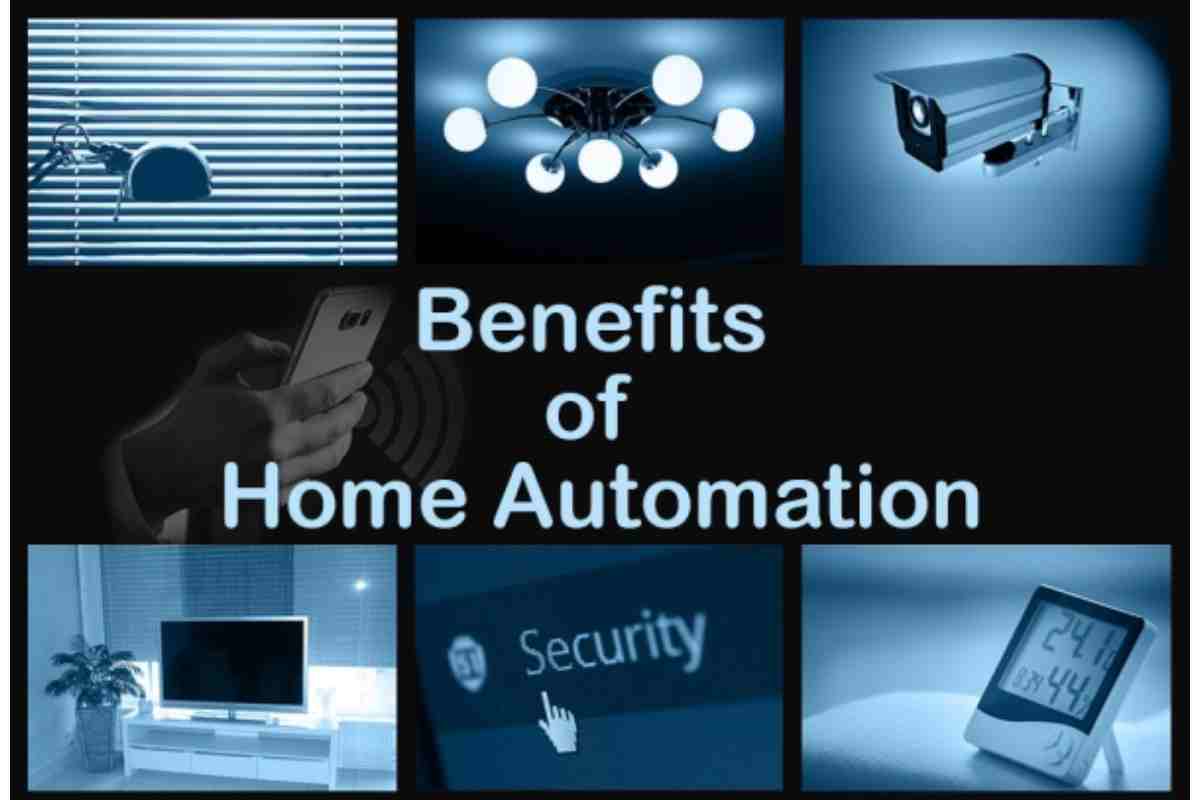
Benefits of smart technology for landlords – means devices like smart lights, thermostats, locks, and sensors that connect to the internet. They can be controlled by phones or apps. This tech helps both tenants and landlords in many ways.
This article belongs to Emerging Technology
Benefits for Tenants
Tenants like smart tech because it makes life easier and cheaper.
- They can set rules to turn off lights when they leave home.
- They get phone alerts when laundry is done.
- Motion-sensor lights only turn on when someone is there, saving electricity.
- Smart thermostats lower the heat when no one is home, cutting energy bills.
These changes improve daily life and save money on power. Landlords can also explore other examples of technology that make everyday living more convenient, such as assistive technology designed to help people complete tasks more easily.
Benefits for Landlords
Landlords gain even more from smart tech. It helps with repairs, safety, and making the property worth more.
- Sensors in washers or dishwashers send alerts if something breaks. Landlords can fix it fast.
- Security cameras record break-ins. Alarms call police or fire department if smoke or carbon monoxide is detected.
- Flood sensors warn about leaks, stopping big water damage.
- The property looks modern, so it rents faster and for higher prices.
As younger renters like Gen Z enter the market, they expect tech features. Millennials are buying homes, so landlords must use smart tools to attract and keep good tenants.
Smart devices are also part of the wider development of connected technology. For landlords interested in understanding how modern technology is evolving, mRNA technology provides another example of how technology can be used to deliver specific instructions and achieve practical outcomes.
Installing Smart Technology in a Rental
Landlords add smart tech just like in their own homes.
- Use security cameras, motion detectors, smart thermostats, and remote-control appliances.
- Start small, like with lights or locks, then add more. This makes the rental run smoother and feel high-tech.
Landlords can also use data from connected devices to understand maintenance needs and identify potential problems. This connects with the broader use of big data to collect and analyze large amounts of information for useful insights.
Potential Security Risks
Benefits of smart technology for landlords Smart tech is great, but it has risks. Privacy and safety are the main worries. Landlords must plan ahead. For additional guidance, landlords can review the NIST tips for keeping smart homes safer and more private.
Privacy Issues
- Devices collect data on tenants’ habits, like when they come home or what they like.
- This info can make life better, but hackers could steal it.
- Fix it: Research companies carefully. Pick ones that store data safely and use strong passwords.
Safety Issues
- Hackers might break into smart locks and enter the home.
- Fix it: Buy tested, secure devices. Teach tenants how to use them safely. Offer 24/7 help for problems.
Risks exist, but simple steps make smart tech safe and useful.
Conclusion
Smart technology saves energy, fixes problems early, and keeps everyone safe. For grade 9 students thinking about future jobs or homes, it’s a smart choice for landlords today!