
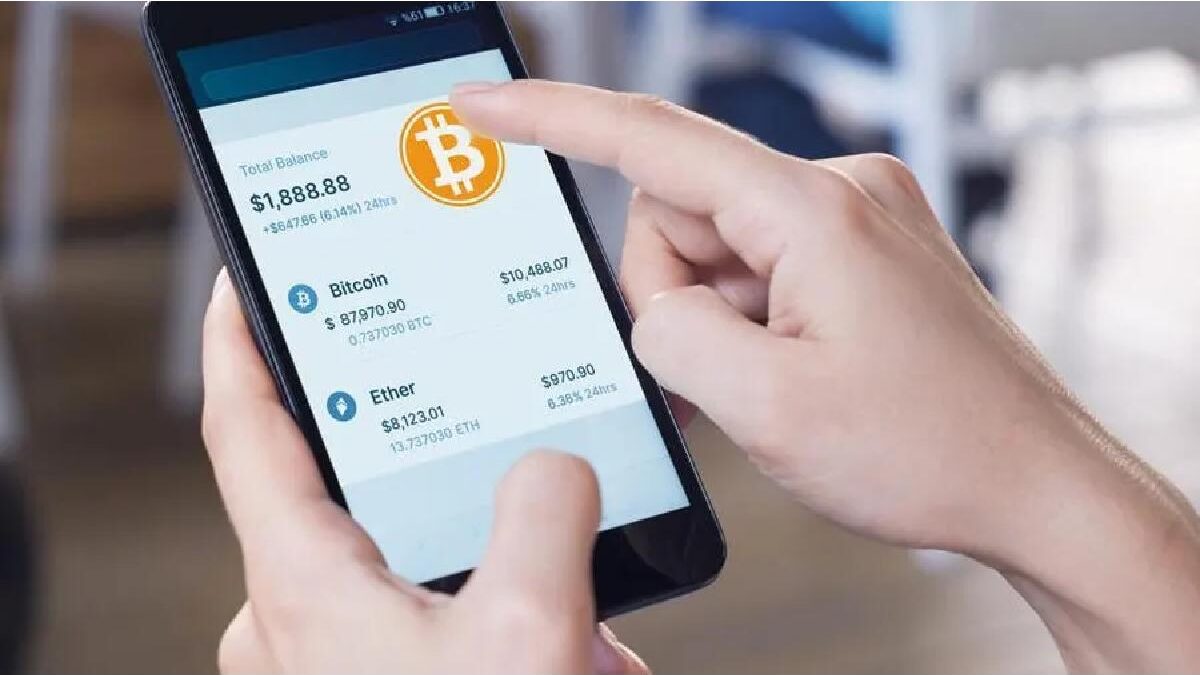
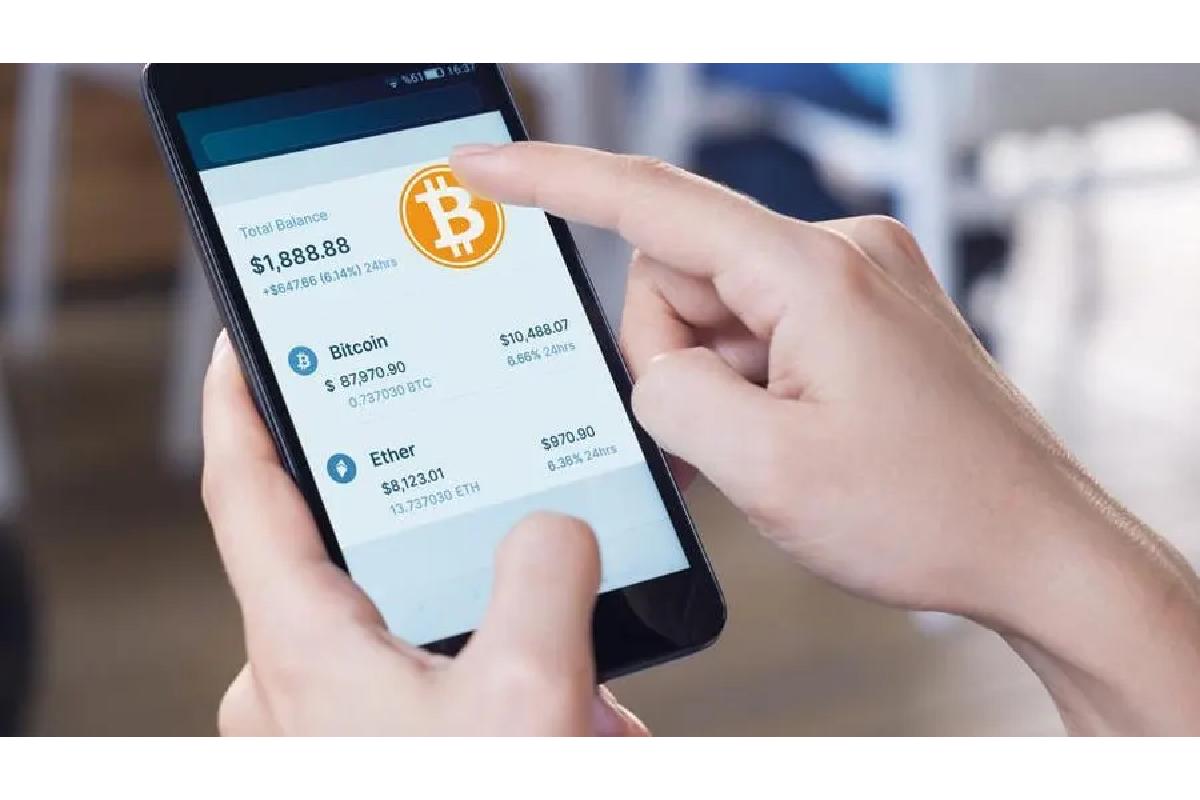
Purchasing with Bitcoin means using the digital currency Bitcoin to buy goods and services online or offline. Many companies and platforms now accept Bitcoin as a payment method due to its global reach and security.
This article belongs to Cryptocurrency
Table of Contents
What Is Bitcoin Payment?
Bitcoin payment is a peer-to-peer digital transaction that allows users to send money directly without banks. It works on blockchain technology and is secure, transparent, and fast.
Purchasing With Bitcoin
Purchasing with Bitcoin means using BTC as a payment method instead of traditional fiat currencies such as USD, EUR, or INR. Bitcoin transactions are processed through blockchain technology — a decentralised ledger system that verifies transactions without banks or intermediaries.
How to Purchase With Bitcoin (Step-by-Step)
- Using a cryptocurrency debit card is the simplest way to make purchases using bitcoin. These cards already have your preferred cryptocurrency loaded on them.
- You spend cryptocurrency, and the store gets paying in fiat.
- To ensure these transactions go smoothly, cryptocurrency debit cards collaborate with industry leaders in payment processing like Mastercard and Visa.
| Step | Action | Description |
| 1 | Create a Bitcoin Wallet | Download and set up a crypto wallet such as Trust Wallet, Coinbase, or Binance to store your Bitcoin. |
| 2 | Verify Your Account | Complete identity (KYC) verification if required to enable buying and transactions. |
| 3 | Buy Bitcoin | Purchase Bitcoin using debit card, bank transfer, or UPI (if available in your country). |
| 4 | Choose a Merchant | Select an online or offline store that accepts Bitcoin as payment. |
| 5 | Select Bitcoin at Checkout | During payment, choose Bitcoin or cryptocurrency as the payment option. |
| 6 | Get Payment Details | The merchant will show a wallet address or QR code for payment. |
| 7 | Scan QR or Enter Address | Open your wallet and scan the QR code or paste the wallet address. |
| 8 | Enter Amount | Confirm the amount to send (some wallets auto-fill it). |
| 9 | Confirm Transaction | Approve the payment and wait for blockchain confirmation. |
| 10 | Receive Order Confirmation | Once the merchant receives the Bitcoin, your order is processed. |
What Can You Buy with Bitcoin?
Even while the number of organizations accepting bitcoin is expanding daily, significant transactions involving it are still uncommon.
Nevertheless, it is possible to use bitcoin to make various purchases through e-commerce websites.
Car dealerships
- Bitcoin is already accepting as payment at several vehicle dealerships.
- The list includes luxury car sellers that sell Lamborghinis (a favorite among bitcoiners) and more practical car dealers that sell Subarus.
- Tesla has emerged as the most critical and recent name to join the businesses that let you buy cars using cryptocurrencies.
- Elon Musk, the founder of Tesla, favors bitcoin and is a crypto file.
Purchase With Your Bitcoin Crypto – Technology and e-commerce products
- On their websites, several businesses that primarily sell tech products accept bitcoin.
- They include Newegg and Microsoft, the latter of which only takes bitcoin on its online store and not on its Xbox gaming platform at the moment.
- Additionally, it forbids placing adverts on its website that promote cryptocurrencies or products related to them.
Jewellery and expensive watches
- Many manufacturers and sellers of luxury products have started accepting bitcoin payments.
Rolex, Patek Philippe. - And other premium timepieces are available from the online luxury merchant BitDials in exchange for bitcoin and other cryptocurrencies.
- A watch made by upscale watchmaker Franck Muller even featured a QR code taken from the bitcoin genesis block and was covering in gold and diamonds.
- Some jewelry retailers have joined with payment processors to enable cryptocurrency-based transactions from their stores.
News media
- Most crypto-media outlets accept bitcoin as payment for subscriptions or other services.
- The Chicago Sun-Times was one of the first well-known publications to accept bitcoin on its platform in 2014.
- Publisher of periodicals Time Inc. started taking cryptocurrency payments for digital subscriptions in the same year.
Insurance
- The insurance sector has, for the most part, adopted cryptocurrency slowly.
- Although life insurance remains off-limits, insurance companies have started taking bitcoin payments for premiums on other products in their portfolio.
How Bitcoin Payments Work?
Bitcoin payments are peer-to-peer transactions processed on the blockchain.
Payment Process Overview
| Step | Process | Description |
| 1 | Invoice Generated | Merchant displays BTC amount & wallet address |
| 2 | Customer Sends BTC | Payment made via crypto wallet |
| 3 | Blockchain Verification | Network confirms transaction |
| 4 | Merchant Confirmation | Payment received & order processed |
Transactions usually confirm within 10–30 minutes, depending on network congestion.
Major Bitcoin Purchase Categories
The pie chart above shows estimated global usage distribution:
- Online Retail – 38%
- Travel & Gift Cards – 27%
- Digital Services – 20%
- Local Businesses & Food – 15%
Online retail remains the most dominant sector due to global accessibility.
Bitcoin Payment Methods
Bitcoin can be used through multiple methods:
1 Direct Wallet Transfer
Send BTC directly to the merchant’s wallet address.
2 QR Code Payment
Scan QR code using a mobile wallet for quick transactions.
3 Lightning Network
Faster and cheaper micro-transactions.
4 Crypto Payment Gateways
| Gateway | Features | Website |
| BitPay | Converts BTC to fiat instantly | https://bitpay.com |
| Coinbase Commerce | Easy merchant integration | https://www.coinbase.com/commerce |
| CoinGate | Multi-crypto support | https://coingate.com |
Types of Bitcoin Wallets
Choosing the correct wallet is essential for safe purchases.
| Wallet Type | Best For | Example |
| Mobile Wallet | Daily transactions | Trust Wallet |
| Desktop Wallet | Advanced users | Electrum |
| Hardware Wallet | Long-term storage | Ledger, Trezor |
| Web Wallet | Quick exchange transfers | Exchange wallets |
Advantages of Purchasing With Bitcoin
| Advantage | Explanation |
| Decentralized | No bank involvement |
| Global Accessibility | Borderless transactions |
| Lower International Fees | Compared to bank wires |
| Privacy | No credit card details required |
| Secure Blockchain | Cryptographically verified |
Risks and Challenges
| Risk | Description |
| Volatility | BTC price fluctuations |
| Irreversible Transactions | No refunds if sent incorrectly |
| Network Fees | Fees rise during congestion |
| Regulatory Uncertainty | Laws vary by country |
Bitcoin vs Traditional Payment Methods
| Feature | Bitcoin | Credit Card | Bank Transfer |
| Settlement Time | 10–30 mins | Instant | 1–3 days |
| Chargebacks | No | Yes | Limited |
| International Fees | Low | High | Moderate |
| Privacy | High | Low | Low |
Step-by-Step Example: Buying Online With Bitcoin
- Add product to cart.
- Choose Pay with Bitcoin.
- Scan QR code using wallet.
- Confirm transaction.
- Wait for blockchain confirmation.
- Receive order confirmation.
Security Best Practices
- Double-check wallet addresses.
- Use hardware wallets for large amounts.
- Enable 2-factor authentication.
- Avoid public Wi-Fi when transacting.
- Never share private keys.
Tax and Legal Considerations
In many jurisdictions, Bitcoin is treated as property, meaning purchases may trigger capital gains tax.
Examples:
- United States: IRS treats crypto as property.
- India: 30% tax on crypto gains (subject to regulatory updates).
Always consult a licensed tax professional.
The Future of Bitcoin Payments
Emerging developments include:
- Lightning Network expansion
- Crypto debit cards
- Web3 e-commerce integration
- Institutional adoption
As infrastructure improves, Bitcoin payments may become faster, cheaper, and more mainstream.
Conclusion
Purchasing with your Bitcoin crypto is no longer limited to niche markets. From online shopping and travel to digital services and local merchants, Bitcoin provides a decentralized, secure, and borderless payment alternative.
However, users must understand volatility risks, security practices, and tax implications before transacting. With responsible usage and proper wallet management, Bitcoin can function as both a store of value and a practical payment method.