
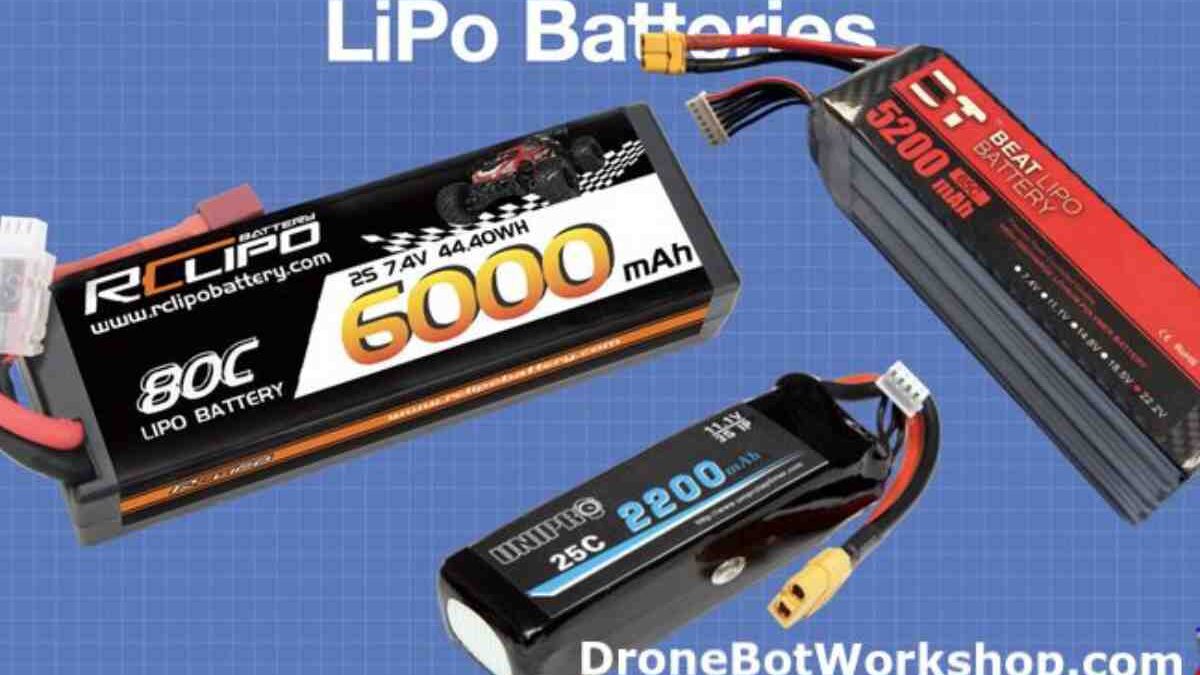
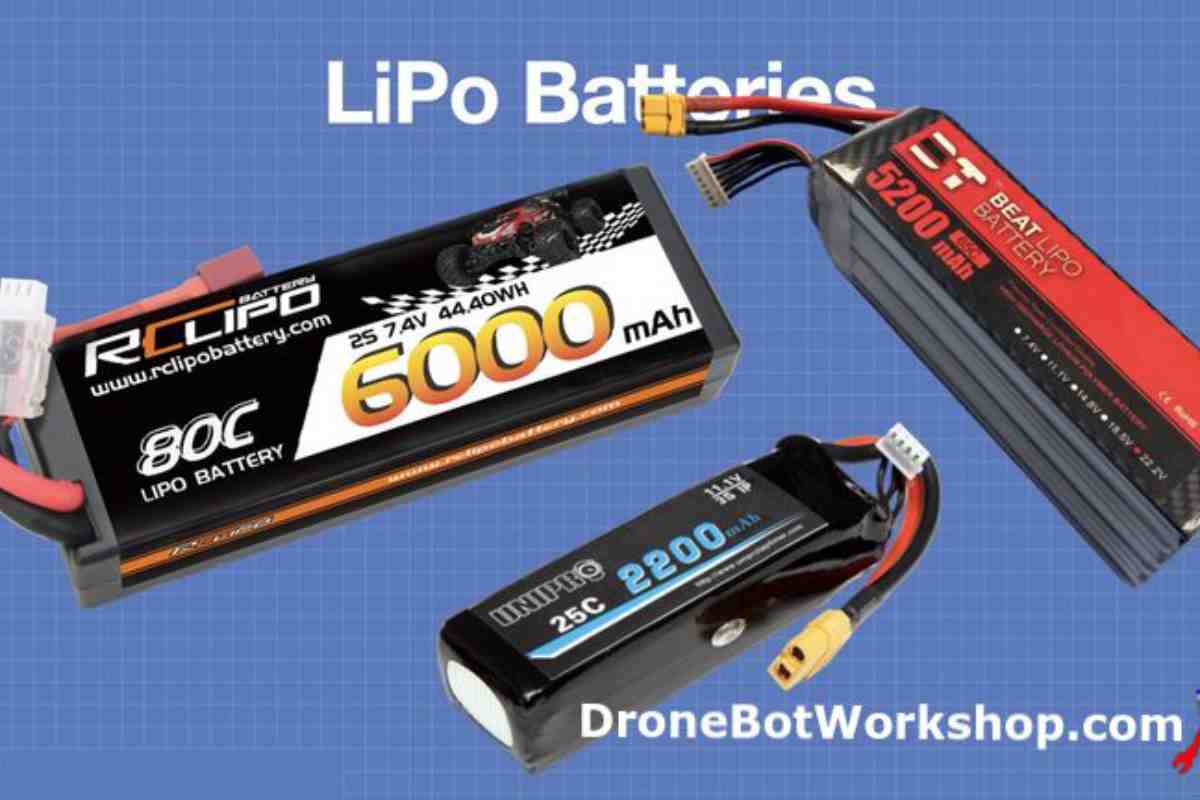
LiPo battery (short for Lithium-Polymer battery) is a type of rechargeable battery that uses lithium in one electrode and a polymer material as the electrolyte (the part that lets ions move between electrodes).
This article belongs to Tech Guides
Table of Contents
Key Features of LiPo Batteries
| FeatureWhy It Matters | |
|---|---|
| Thinner & lighter | Perfect for slim devices like phones, tablets, and smartwatches |
| Flexible shape | Can be molded to fit unusual spaces |
| High power output | Great for devices that need quick bursts of energy |
| Lower weight | Ideal for drones, RC cars, and planes |
LiPo vs. Li-Ion Batteries (Simple Comparison)
| FeatureLiPo (Lithium-Polymer)Li-Ion (Lithium-Ion) | ||
|---|---|---|
| Shape | Thin pouch, flexible | Usually rigid metal can |
| Weight | Lighter | Heavier |
| Best for | Slim gadgets, RC models, drones | High-drain tools, laptops |
| Temperature range | 0°C – 60°C (worse in cold) | Works better in cold |
| Safety | Can swell or catch fire if damaged | Safer with hard shell |
| Shelf life | Shorter | Longer |
Where Are LiPo Batteries Used?
| DeviceWhy LiPo is Chosen | |
|---|---|
| Drones & RC planes/cars | Light weight + high power |
| Smartphones & tablets | Super thin design |
| Wearables (smartwatches) | Small & flexible |
| E-cigarettes & vapes | Compact size |
| Electric scooters & e-bikes | High energy in small space |
For readers interested in other modern electronic products and devices that rely on compact power solutions, techy accessories and gadgets can provide additional information.
Are LiPo Batteries Good?
Yes – but with care!
Pros:
- Highest energy density → more power in less space
- Lighter and thinner than other rechargeables
- Eco-friendlier than NiCd (no toxic cadmium)
Cons:
- Only last 150–250 charge cycles
- Can catch fire if punctured, overcharged, or drained too low
- Need special chargers and protection circuits
How Long Do LiPo Batteries Last?
- Lifespan: 150–250 full charges (about 1–2 years with regular use)
- Daily life: A fully charged drone battery might last 10–30 minutes of flight
Tip: Store at 50% charge in a cool, fireproof bag.
For more information about lithium battery safety and precautions, you can also refer to the U.S. Consumer Product Safety Commission’s lithium-ion battery safety guidance.
Safety Tips (Must Know!)
- Use only LiPo-compatible chargers
- Never overcharge or discharge below 3.0V per cell
- Don’t puncture or crush
- Store in a LiPo-safe bag
- Check for swelling – throw away puffy batteries!
Which Battery is Best?
| Battery TypeBest For | |
|---|---|
| LiPo | Slim, light, high-power devices (drones, phones, RC) |
| Li-Ion | Laptops, power tools, cold weather |
| NiMH | Cheap toys, flashlights |
| Alkaline | Remote controls, clocks (non-rechargeable) |
For examples of technology used in modern connected kitchens and appliances, you can also explore Mein Vorwerk Thermomix.
When looking for related electronic products, shop wireless speaker on sale options can also be explored alongside other rechargeable-device accessories.
Quick Quiz (Test Yourself!)
- What makes LiPo batteries thinner than Li-Ion? → Flexible pouch + polymer separator
- Name 3 devices that use LiPo batteries. → Drones, smartphones, RC cars, etc.
- Why are LiPo batteries popular in drones? → Light weight + high power
- How many charge cycles does a LiPo last? → 150–250
- What should you NEVER do with a LiPo battery? → Puncture, overcharge, or leave unattended while charging